Use clear words, like “died”
Soft phrases such as “went to sleep” or “we lost them” can confuse a child, or even make bedtime feel scary. A short, honest sentence — “Grandpa died, and that means his body stopped working” — is kinder in the long run.
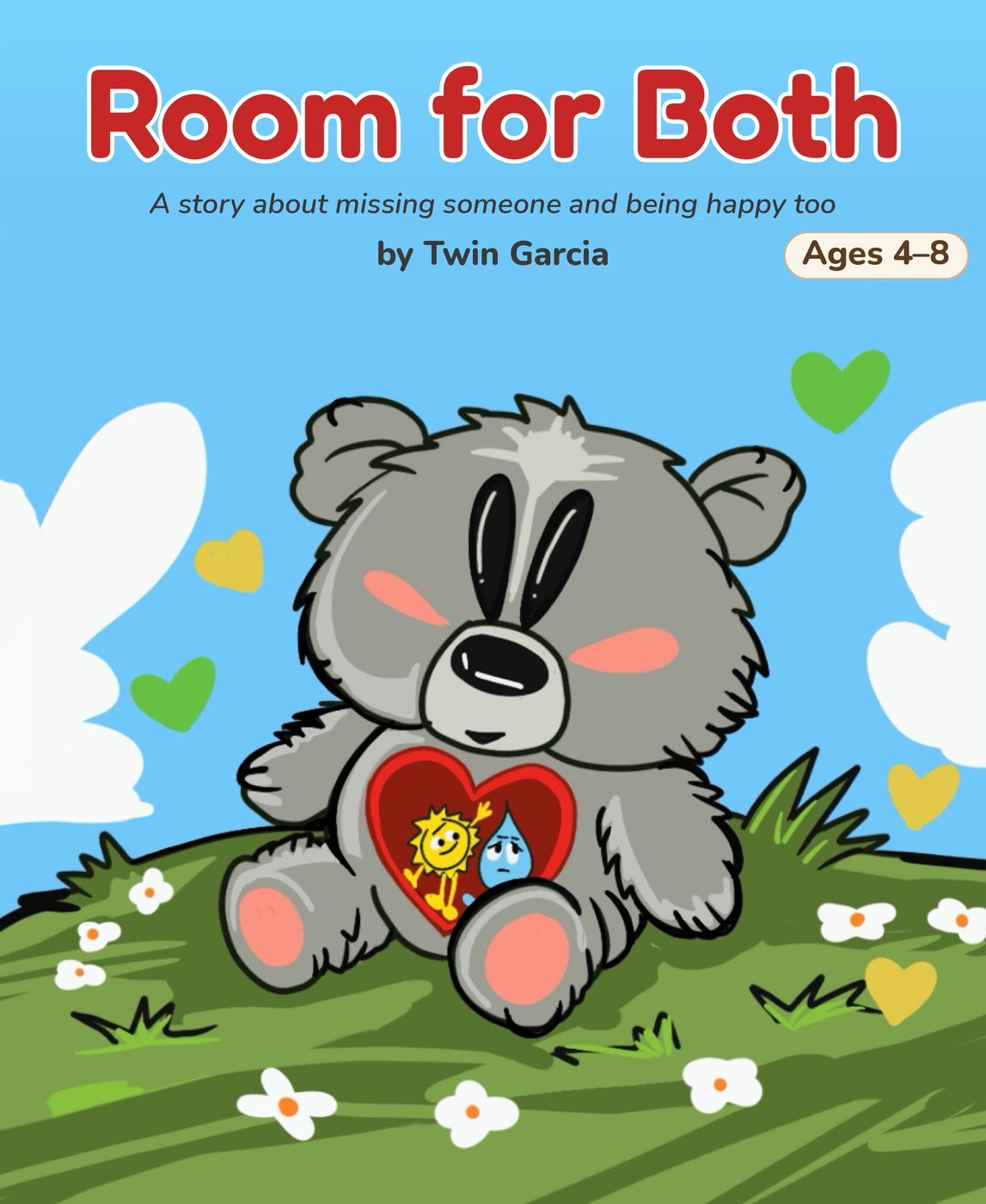
A story about missing someone and being happy too
A gentle picture book for children — and a soft place to land for parents and caregivers helping a child who has lost someone close.
It’s okay to miss them.
It’s okay to smile.
Your heart has room for both.
Coming soon
The hardcover is not for sale yet. It will be $29.99. Leave your email and we will let you know when it is out, or see how to get the book.
If your child has lost someone close, you are not alone. This page is for families as much as it is for the book.
When someone a child loves dies, the grown-ups beside them often wonder what to say. You do not need perfect words. Being there, telling the truth gently, and letting all the feelings in is already a great deal. These short tips are drawn from well-known children’s grief programs, including Children’s Hospital of Philadelphia, the Dougy Center, and the National Alliance for Children’s Grief.
Soft phrases such as “went to sleep” or “we lost them” can confuse a child, or even make bedtime feel scary. A short, honest sentence — “Grandpa died, and that means his body stopped working” — is kinder in the long run.
Children often ask the same thing more than once, or come back to it later while they play. You do not need every answer. “I don’t know, but we can wonder about that together” is enough.
When a grown-up cries, or smiles at a memory, a child learns that all of those feelings belong. Sharing a little of what you feel shows them their heart has room for both, too.
Meals, bedtime, school, and the usual hello at the door help a child feel safer when so much else has changed. Familiar days are a kind of comfort.
A child may play, then feel very sad, then want a snack, then ask a hard question. Some days the missing feeling is bigger. Some days the happy feeling is bigger. That is a normal way for a young heart to grieve.
Many children show what they feel with crayons, stories, or pretend play more readily than with long talks. Sit beside them. Let them lead. There are no wrong pictures.
This page is for general support and is not medical advice, therapy, or a substitute for professional care. If you are worried about a child, reach out to a doctor, a counselor, or one of the organizations below.
Free to download
A short, research-based PDF for parents, grandparents, and teachers helping a child ages 4 to 8 who has lost someone close. It covers honest words to use, how grief can look, simple things you can do together, taking care of yourself, and where to find support.
You do not have to do this by yourself. These organizations offer real help for families — local groups, camps, tip sheets, and people who understand childhood grief.
Call or text 988 to reach the 988 Suicide & Crisis Lifeline, or chat at 988lifeline.org. It is free, confidential, and open 24 hours a day. You can also learn more at SAMHSA’s 988 page.
Free grief support for youth and families in the Philadelphia area, including groups for caregivers.
upliftphilly.orgA national network that helps families find a children’s grief support center or camp near them, plus a library of caregiver resources.
Find support at nacg.orgThe National Grief Center for Children & Families. Tips, activities, and resources for kids and the grown-ups who love them.
dougy.orgThe Bereavement Program shares guidance for families, including how to talk with a child about death.
CHOP Bereavement Program Explaining death to a childWhen someone we love dies, sad and happy can show up in a child’s heart on the same day, and that can feel confusing.
Carla the teddy bear has a little yellow friend living in her heart. Her name is Sunny — the warm, happy feeling inside you. Then someone Carla loves very much dies, and a new friend knocks at her heart. Her name is Misty — the feeling you get when you miss someone. At first they cannot share the same space. For a while, they stay in separate hearts. Carla feels mixed up, like a jar of shaken-up glitter.
Bit by bit they learn they are both there because of the same love. Carla’s heart stretches, just a little, the way hearts do. Now there is room for both.
For children ages 4 to 8 and the grown-ups who sit beside them.
A few pages from inside the book, in Twin Garcia’s own drawings.
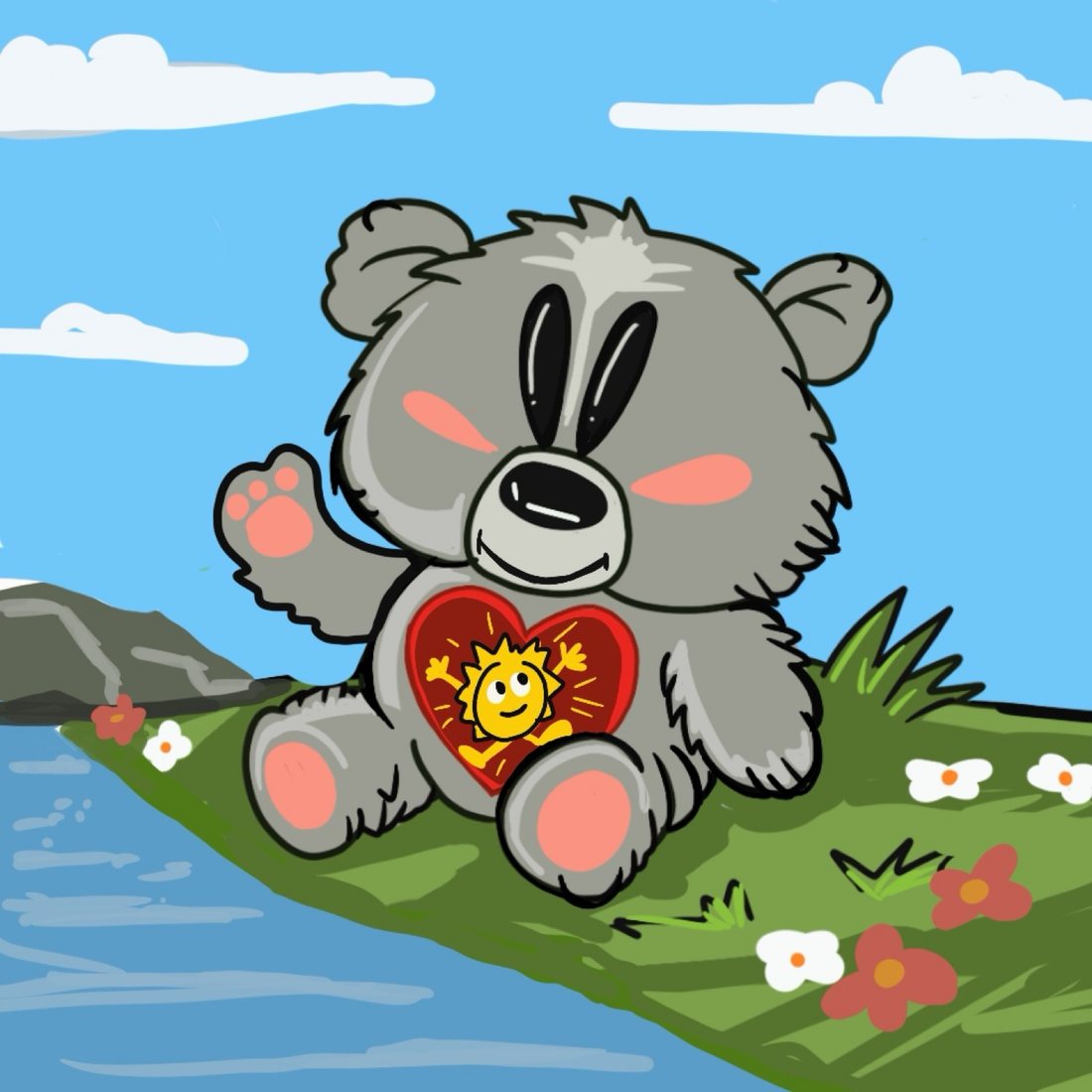
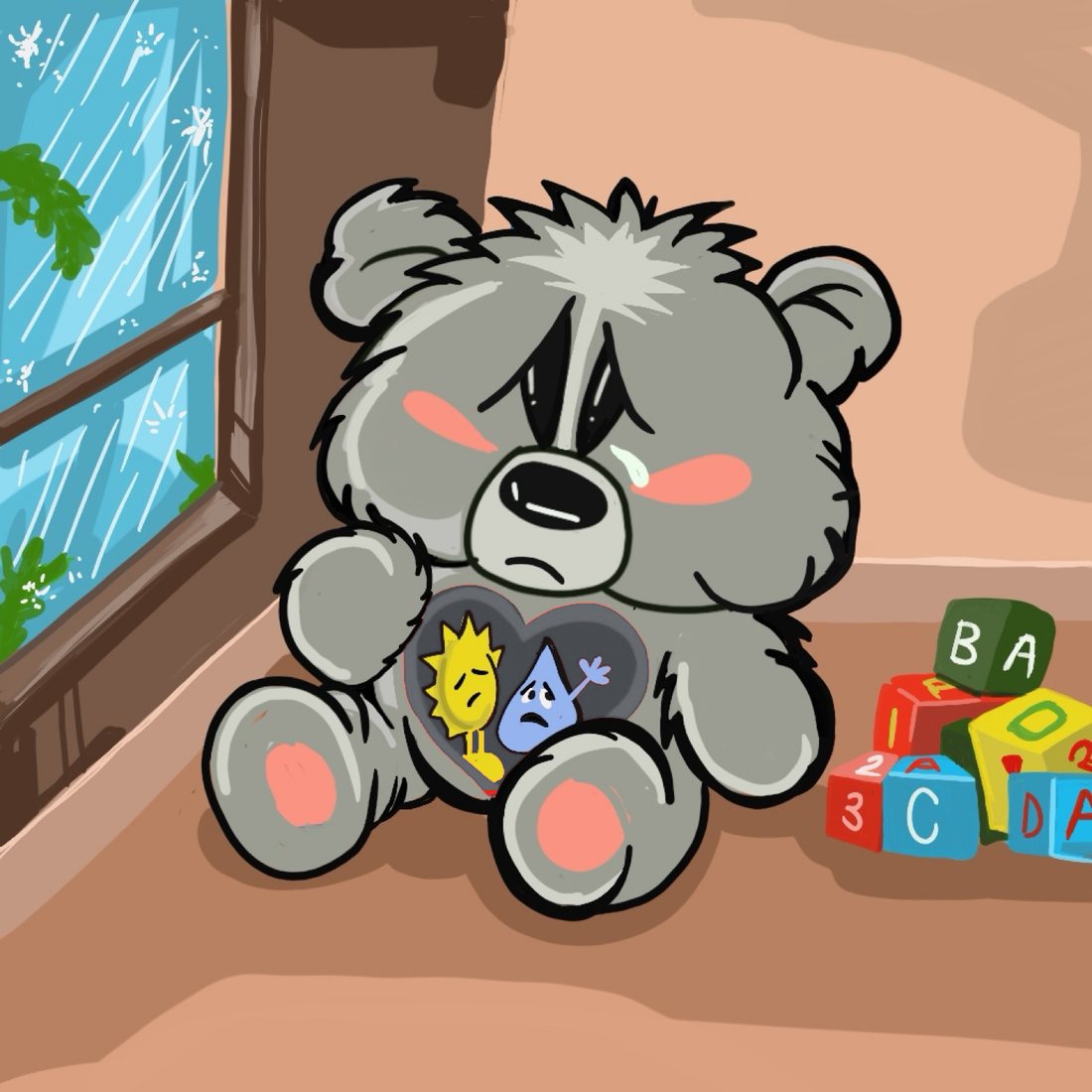
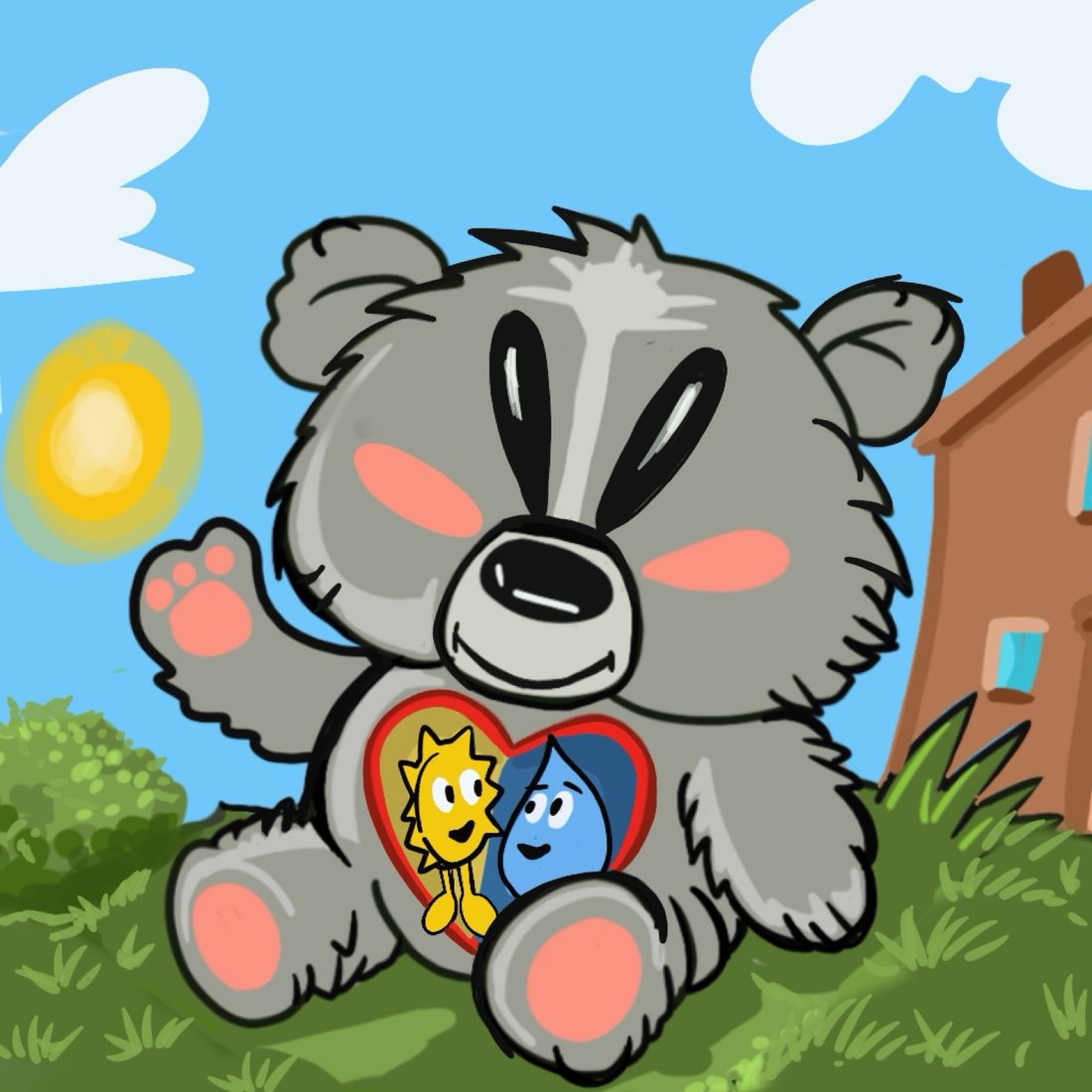
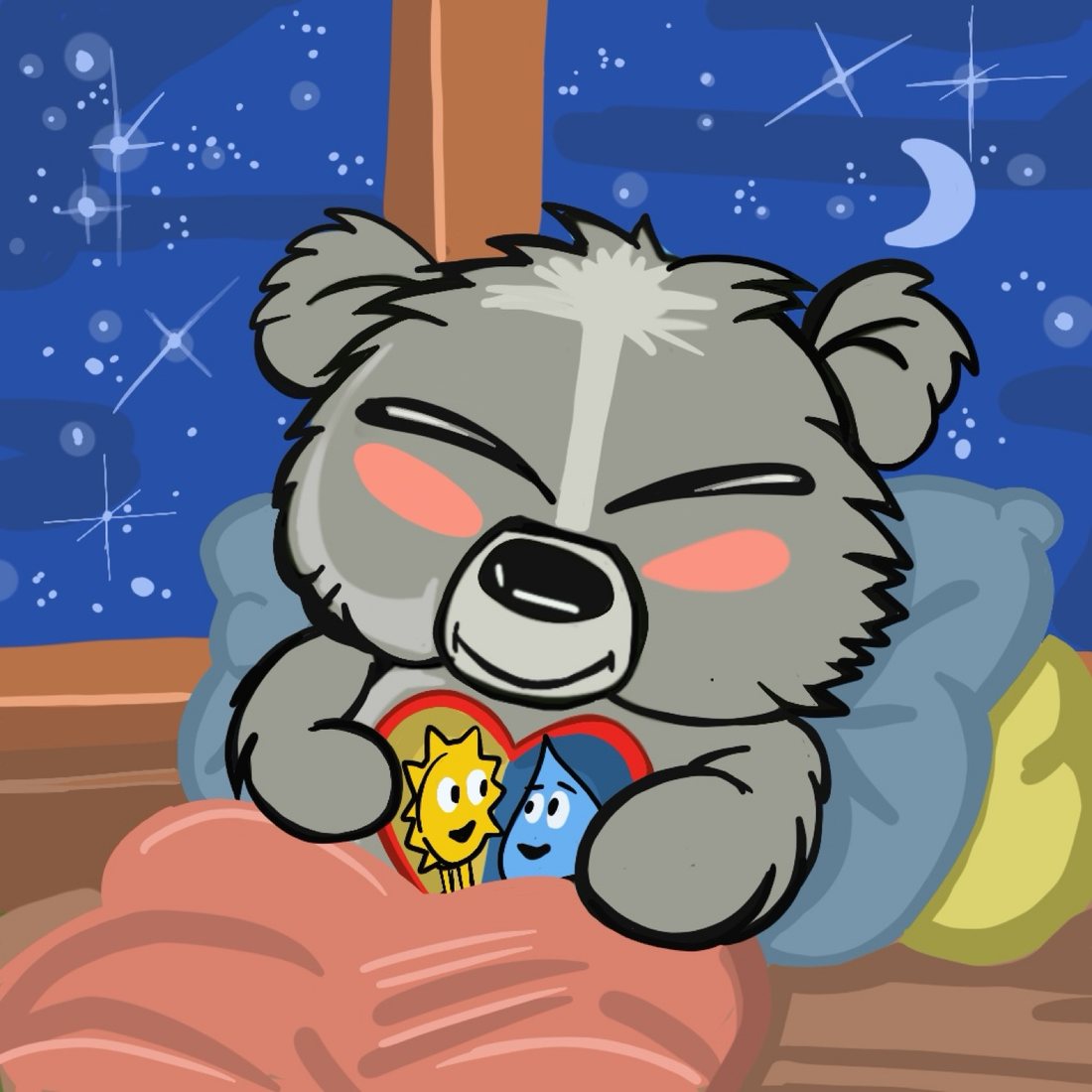
After the story, the book leaves a little room to keep talking. These pages are meant to be used slowly, with a child leading the way.
A short letter about reading together, pausing when a child wants to, and remembering that missing someone is a sign of love — and that laughing again does not mean forgetting.
“Draw Your Sunny and Your Misty.” Two quiet spaces for a child to give their own happy feeling and their own missing feeling a face.
“Color Carla!” A simple page to sit with after the story, when words feel like a lot.
“Help Misty Find Sunny!” A gentle puzzle, with an answer key at the back for grown-ups.
I wrote Room for Both in memory of a twin, and for every child who is holding more than one feeling at a time. Missing someone and being happy too can live in the same heart. I hope this story gives families a gentle way to say that out loud.
— Twin Garcia
A hardcover picture book by Twin Garcia, for children ages 4 to 8 and the grown-ups beside them. The book is not for sale yet. When it is out, you will be able to buy it here, or from Amazon or Barnes & Noble.
English edition
Hardcover $29.99
A picture book for ages 4 to 8.
Edición en español
Hardcover $29.99
A Spanish edition of Room for Both.
Descargar la guía en español (PDF gratis para adultos)